Is War Truly Necessary? Exploring the Cost of Conflict vs. The Power of Peace
 amsh11091191@gmail.com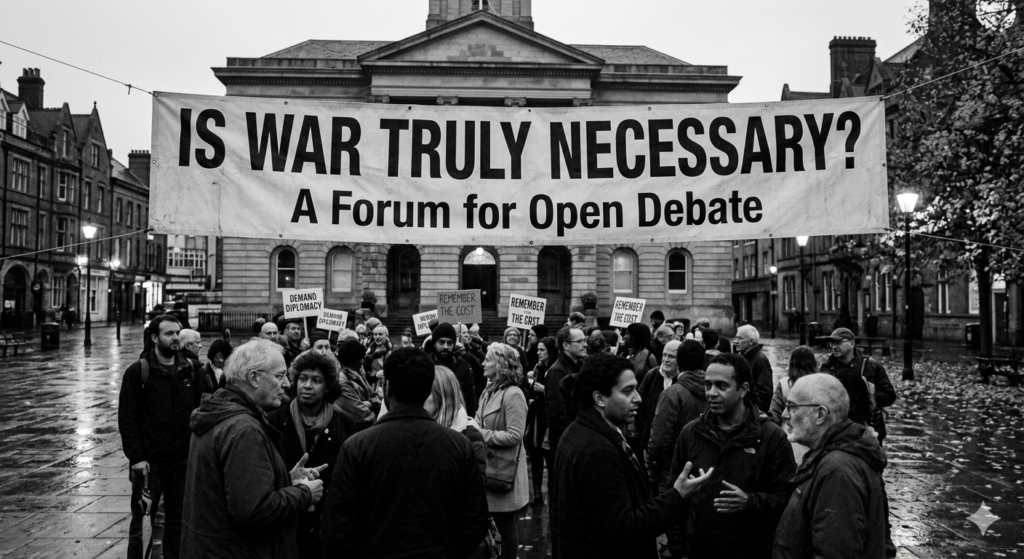
Is War Truly Necessary?
The history of humanity is often written in the ink of blood and the echoes of cannons. From ancient empires to modern geopolitical tensions, war has been a recurring theme. But in an era of unprecedented technological advancement and global connectivity, a fundamental question arises: Is war truly necessary?
The Illusion of Necessity
Proponents of war often argue that conflict is a “necessary evil” to protect national interests, overthrow tyrants, or settle long-standing disputes. They claim that some ideologies are so irreconcilable that only the sword can decide the winner. However, history proves that war rarely provides a final solution. Instead, it plants the seeds of future resentment and further conflict.
The Human and Economic Cost
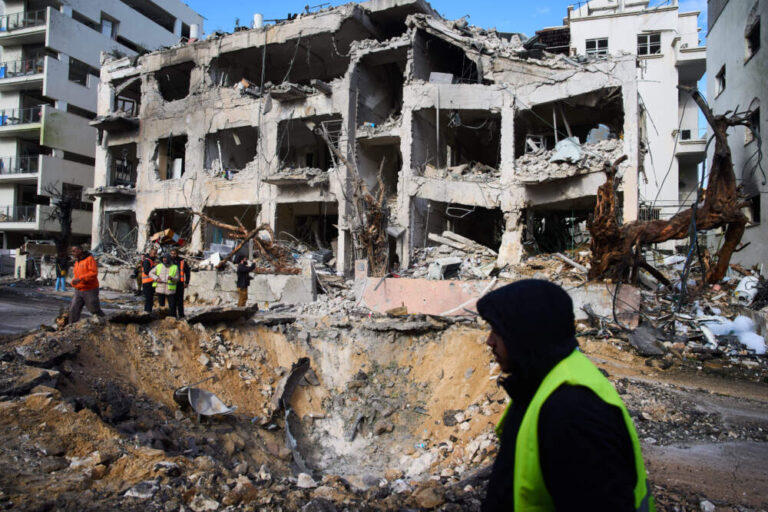
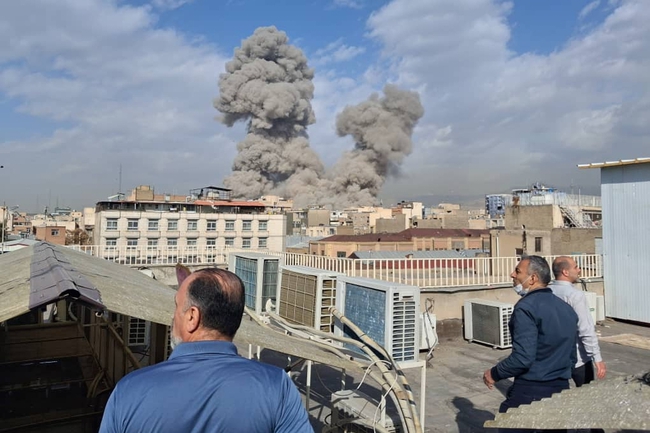
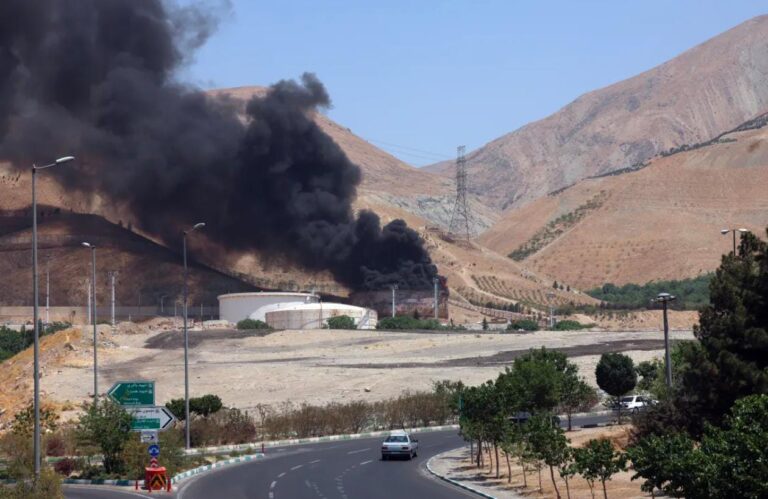
The most immediate and heartbreaking impact of war is the loss of innocent lives. Families are torn apart, children lose their childhoods to trauma, and entire generations are displaced as refugees. Beyond the human toll, the economic destruction is staggering. Trillions of dollars are diverted into military spending—money that could have been used to eradicate poverty, cure diseases, or combat climate change.
The Power of Diplomacy
In the 21st century, we have tools that our ancestors did not. Digital communication, international law, and global trade interdependency mean that dialogue is more effective than ever. Diplomacy, though slow and frustrating at times, creates lasting peace. True strength lies not in the ability to destroy, but in the courage to sit at a table and negotiate.
Conclusion
War is not an inevitable part of the human condition; it is a choice. As we move forward, the global community must prioritize empathy over ego and cooperation over conquest. To answer the question: No, war is not necessary. Peace is the only path toward a surviving and thriving civilization.
About the Author




1 thought on “Is War Truly Necessary? Exploring the Cost of Conflict vs. The Power of Peace”